

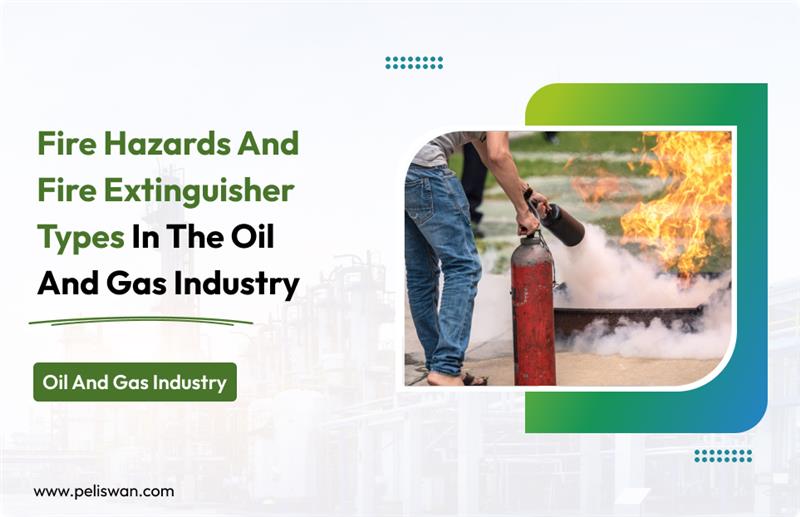
The oil and gas industry powers much of the world, but it also comes with serious risks. Fires are one of the biggest dangers. With large refineries, offshore platforms, pipelines, and storage tanks, even a small mistake can turn into a major accident.
This is why fire safety management is so important. It is not just about having rules in place. It means making sure everyone knows how to stay safe, having the right equipment ready, and keeping systems well-maintained. Part of this safety is knowing about the different types of fire extinguishers and when to use them.
In this guide, we will look at the main fire risks in oil and gas facilities, explain the types of fires and explosions that can happen, and show how good fire safety management and the right fire extinguishers can help protect people and property. Whether you are a safety manager, engineer, or someone working on-site, understanding these basics can make a big difference.
Working in the oil and gas industry comes with unique challenges, and fire is one of the most serious risks. Understanding what can cause fires is the first step in keeping people and equipment safe.
Here are the main fire risks in oil and gas facilities:
In the oil and gas sector, fires can be categorized based on the materials involved and the conditions under which they ignite. Here are the primary types of fires encountered in the oil and gas industry.
Flash fires happen when flammable gases or vapors ignite quickly, often in open or partially enclosed areas. They burn very fast, usually lasting only a few seconds, but can cause severe burns and serious injuries.
Jet fires occur when flammable gas or liquid shoots out at high speed through a leak or opening and ignites. These fires produce long, narrow flames with intense heat, which can damage equipment and structures.
Pool fires start when flammable liquids spill and catch fire, creating a burning layer on the surface. These fires can spread quickly and generate strong heat, posing a danger to nearby people and equipment.
Fires in tanks, vessels, or other enclosed areas are particularly dangerous. They are hard to access and can cause pressure to build up quickly, increasing the risk of an explosion.
By recognizing the type of fire, safety teams can respond more effectively and select the right fire extinguishers for the situation. Proper training in identifying fire types is an essential part of any strong fire safety management program.
In the oil and gas industry, explosions can be even more dangerous than fires. Understanding the different types of explosions helps teams prepare, prevent accidents, and respond quickly if something goes wrong.
Gas explosions are the most common in the oil and gas sector. They happen when flammable gases, like methane, come into contact with a spark or other ignition source. Leaks in pipelines, faulty equipment, or poor ventilation are often the cause. Gas explosions can trigger secondary fires or even larger explosions if more flammable material is released.
Chemical explosions occur when incompatible chemicals react, containers become over-pressurized, or unstable compounds decompose. These explosions can happen quickly and release harmful gases, heat, and pressure, posing serious risks to workers and equipment.
BLEVEs happen when a container holding a pressurized liquid above its boiling point bursts, often after being exposed to fire. The liquid rapidly turns into gas, creating a powerful explosion. BLEVEs can throw debris at high speed and generate large shockwaves. They are especially dangerous in storage tanks and transport vessels containing liquefied gases.
Fires in oil and gas facilities can behave very differently depending on what is burning. Knowing the type of fire is essential for responding safely and effectively. Each fire class shows what materials are involved.
Here are the main classes of fires:
Class |
Materials Involved |
Example in Oil and Gas |
Class A |
Ordinary combustible materials | Wood, paper, cloth, plastics used in offices or storage areas |
Class B |
Flammable liquids | Oil, fuel, solvents, paints, and other hydrocarbons |
Class C |
Energized electrical equipment | Control panels, electrical machinery, wiring |
Class D |
Combustible metals | Magnesium, titanium, sodium, or other reactive metals |
Class K |
Cooking oils and fats | Galley or kitchen areas on offshore platforms or facilities |
In oil and gas facilities, having the right fire extinguishers in the right place is crucial. Each type of extinguisher works best on certain fire classes, so knowing how they function is an important part of strong fire safety management.
Dry Chemical Powder extinguishers are the most widely used in the oil and gas sector. They are highly effective on Class A, B, and C fires, making them versatile for multiple hazards. The powder works by disrupting the chemical reaction of the fire, quickly suppressing flames.
Where to use: Fuel depots, drilling rigs, refineries, and areas with multiple fire hazards.
CO₂ extinguishers are designed mainly for Class B and electrical fires. They work by displacing oxygen and suffocating the fire without leaving any residue, making them ideal for control rooms, electrical panels, and sensitive machinery. They are less effective outdoors because wind can disperse the gas.
Where to use: Control rooms, electrical panels, sensitive machinery.
Foam extinguishers are specially designed for Class B fires involving flammable liquids. They form a thick foam layer that cuts off the oxygen supply and prevents re-ignition by sealing fuel vapors. These extinguishers are critical in areas where hydrocarbons are processed, stored, or transported.
Where to use: Oil storage facilities, tank farms, processing areas.
Water mist extinguishers are effective on Class A fires and can also be used safely near low-voltage electrical equipment. They produce fine droplets of water that cool the fire and reduce oxygen concentration. On offshore platforms, they are commonly installed in offices, living quarters, and accommodation areas.
Where to use: Offices, living quarters, accommodation areas.
Wet chemical extinguishers are essential in galley and kitchen areas where Class K fires may occur, such as cooking oils and fats. They work by creating a soapy foam layer that cools and smothers the fire.
Where to use: Kitchens and galley areas on offshore platforms or onshore facilities.
Some facilities also use specialized extinguishers for unique hazards:
Fire Class |
Materials Involved |
Recommended Extinguishers |
Class A |
Ordinary combustibles such as wood, paper, cloth, plastics | Dry Chemical Powder (DCP), Water Mist |
Class B |
Flammable liquids, oils, solvents, petroleum products | Dry Chemical Powder (DCP), Carbon Dioxide (CO₂), Foam (AFFF) |
Class C |
Energized electrical equipment | Dry Chemical Powder (DCP), Carbon Dioxide (CO₂), Water Mist (low voltage) |
Class D |
Combustible metals such as magnesium, titanium, sodium | Class D Powder Extinguishers |
| Class K | Cooking oils and fats | Wet Chemical Extinguishers |
| Special Cases | Enclosed control rooms or sensitive equipment areas | Clean Agent Extinguishers (FM-200, Novec 1230) |
Using the wrong extinguisher can worsen a fire. For example, water must never be used on oil or electrical fires, as it spreads the flames or causes electrocution. Hence, training personnel to identify fire classes and choose the right extinguisher is vital in oil and gas facilities.
Fire hazards in the oil and gas industry are a constant concern. From high-pressure pipelines and flammable liquids to complex equipment and human error, small incidents can escalate quickly. This is why strong fire safety management is essential.
Using the best fire extinguishers in the right locations is key to protecting people, equipment, and facilities. Whether it’s a versatile Dry Chemical Powder extinguisher for multiple hazards, a Foam extinguisher for flammable liquids, or a Wet Chemical extinguisher in kitchen areas, each type plays a critical role. Specialized extinguishers like Clean Agent systems and Class D powders further enhance safety in unique situations.
However, extinguishers alone are not enough. Regular maintenance, proper placement, and training staff to identify fire types and respond quickly can make the difference between a minor incident and a major disaster.
By combining the best fire extinguishers, clear safety protocols, and knowledgeable personnel, the oil and gas industry can significantly reduce fire hazards and maintain safe, efficient operations. Understanding hazards, knowing the types of fires and explosions, and choosing the correct extinguishers are all part of a strong safety culture.
Fire safety is not just a requirement; it is a responsibility. Every precaution taken today protects lives, assets, and the environment tomorrow.
